The Kitchen Is Busy During The Spring Festival, How To Clear The Clogged Sewer Oil? Collect These Methods Quickly

Kitchen "Defense" during the Spring Festival: Complete Guide to Deep Cleaning of Sewers
Seeing that the Spring Festival is getting closer and closer, the kitchen at home is about to usher in the busiest period of the year. Relatives and friends gather together, and delicacies are served one after another. The frequency of use of the kitchen sewer will naturally increase significantly. However, at this time, the sewer keeps getting into trouble with us. It is either clogged or emitting a pungent odor, which is really annoying. As a senior home economist who has been in the industry for more than ten years, I have witnessed too many families panicking due to sewer problems before the holidays. Today, I will give you a detailed "Defense Battle" strategy for kitchen sewers based on professional deep cleaning.
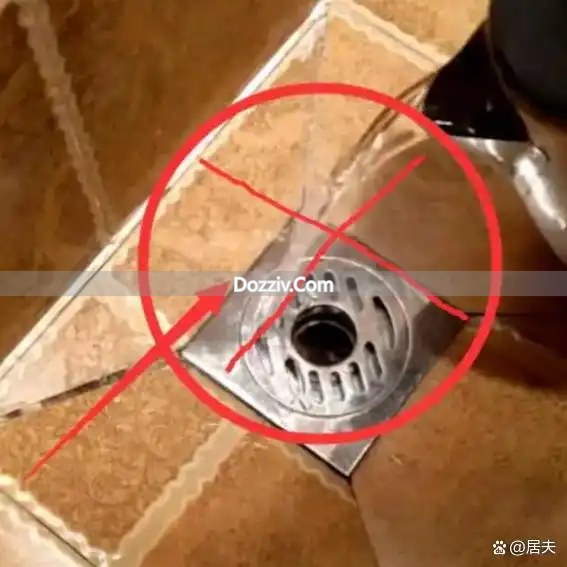
Misunderstanding warning: Why is "hot water" a bad idea?
When faced with sewer blockage and odor problems, many people’s first reaction is to use hot water to flush them. But did you know that this method is actually unreliable. Although hot water can soften some oil stains in a short time, it is simply insignificant when it comes to stubborn blockages that have formed and deep-seated odors. Of course, what is even more serious is that if the pipe is made of PVC, frequent pouring of very high temperature hot water will cause the pipe to deform due to heat, and may even cause cracks at the interface, which will shorten its service life. The correct approach is to implement precise management of the "source of evil" that causes blockage.
Scenario Analysis: Four major culprits of lockdown congestion
Before we start to unblock the sewer, we need to "feel the pulse" of the sewer like a doctor.
- Blockages caused by greasy stains: this is the most typical “conditional problem” in cooking facilities. Animal fat produced during cooking and cleaning processes will condense and solidify on the internal walls of pipes once exposed to low temperatures. Over time, it will accumulate and form thick "grease dirt", which will block the entire pipe like thick porridge.
- The following conditions will cause blockage: first, rice grains, vegetable leaves, peels and other food residues are partially blocked. Once such substances are not blocked by the filter, they will flow into the pipe. Immediately afterwards, these objects that flowed into the pipes accumulated in the narrow places of the pipes and began to rot. This behavior not only caused the pipes to become clogged, but also served as a breeding ground for odors and bacteria.
- <strong>Clogged by hard objects: Chopstick heads are often accidentally dropped, bottle caps are occasionally dropped by mistake, and seasoning packets are also occasionally dropped by mistake. These hard objects will get stuck in the water trap. These hard objects will also get stuck in the pipe joints, causing the water flow to be blocked, and the water flow will be blocked suddenly, and the water flow will be serious.
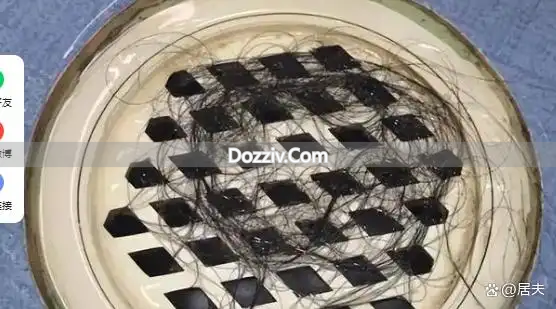
- Although most of the time hair blockage occurs in the bathroom, if the kitchen sink is used for washing hair or cleaning pet supplies, the fallen hair will be entangled with grease, thus forming a "reinforced concrete" style blockage that is more difficult to deal with.
Tool selection and operation process: professional-level dredging practice
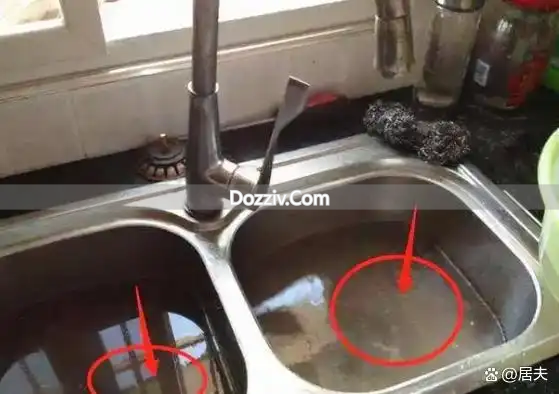
Faced with the above-mentioned causes, we will no longer try and make mistakes aimlessly and aimlessly. Instead, we will adopt a professional approach that is layered, step-by-step, and progressive.
The first layer: daily maintenance and light oil stains – dishwashing liquid + white vinegar combination
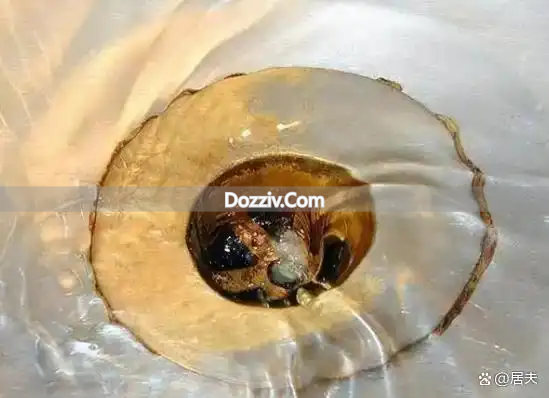
If you just feel that the drainage speed is slowing down and there is no serious blockage, you can use physical emulsification. Its operation process is to first drain the accumulated water in the sink as much as possible, then squeeze a few rounds of thick dishwashing liquid into the drain pipe, then pour in about 200 ml of white vinegar, and finally pour in an appropriate amount of hot water with a temperature of about 80°C. With the help of the emulsifying effect of dishwashing liquid and the softening effect of acetic acid, the oil stain attached to the inner wall of the pipe is separated. But it should be noted that the frequency of using this method should not be too high, just 1 to 2 times a month.
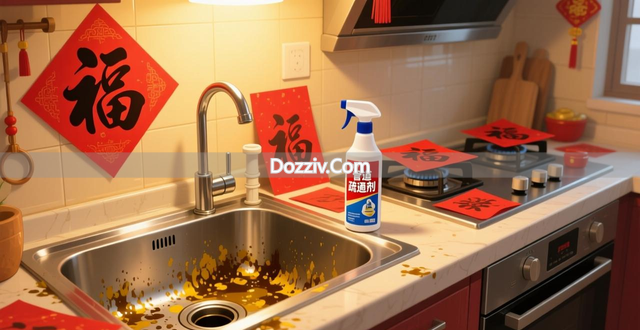
The second layer: Stubborn blockage and deep cleaning – pipe unblocking agent shows its power
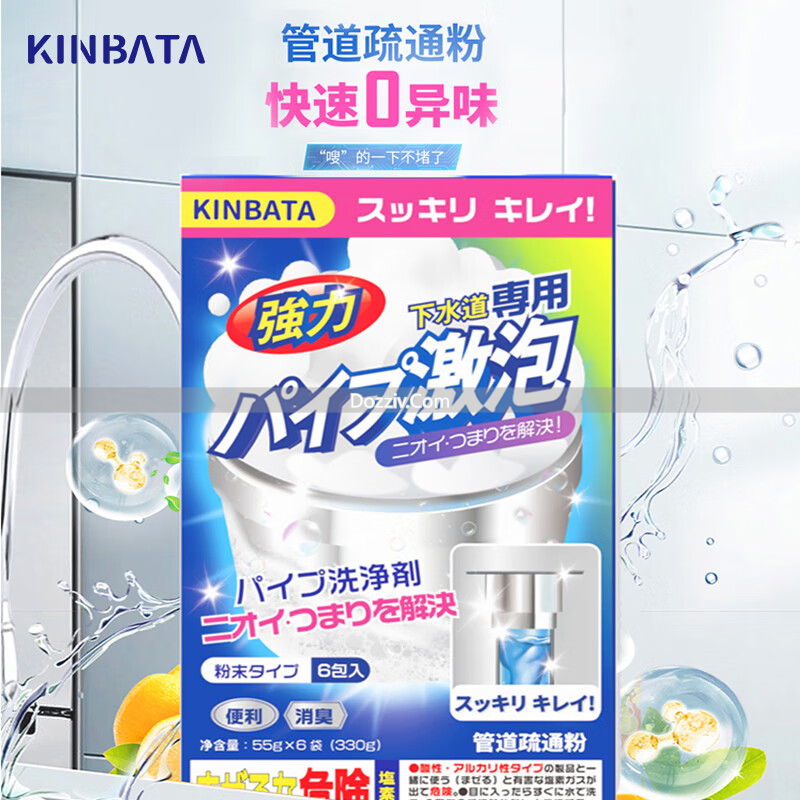
When drainage is slow or there is a peculiar smell, it is strongly recommended to use a professional pipe dredging agent to solve the problem. When choosing tools, be sure to choose products with mild yet effective formulas, such as the kinbata pipe unblocking powder mentioned in the article. Operation process:
- Remove standing water : Try to clean the standing water on the surface of the sink or floor drain.
- The input products are: select an appropriate amount of dredging agent, which comes in two forms: powder or liquid, and pour it directly into the drain outlet. It should be noted that it must be prevented from splashing on the skin or in the eyes.
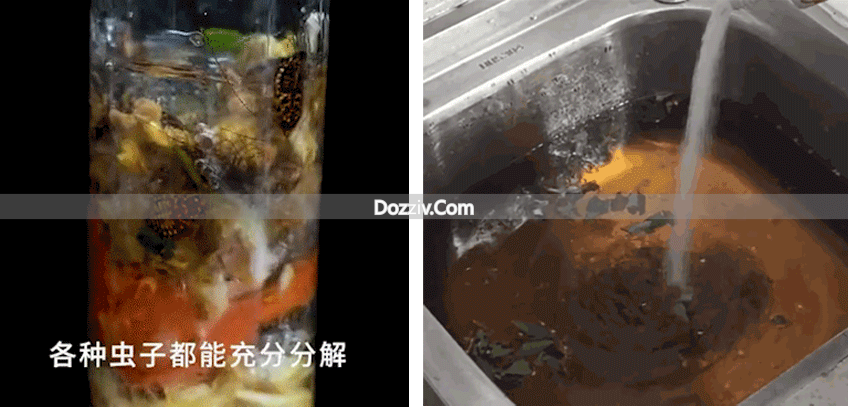
- The product will quickly sink to the bottom, and the dissolving enzymes and cleaning factors contained in it will react strongly with the substances that cause clogging, thereby decomposing hair, grease, and paper scraps. This is the so-called standing reaction. Usually, it needs to be left quietly for fifteen to thirty minutes (if the blockage is serious, it can be extended to a whole night). During this time, it is not allowed to flush or get wet.
- After a specific operation is carried out to achieve the purpose of "mass flushing", that is, using a large bucket of hot water or a large amount of cold water to perform the flushing action, you will find that the drainage speed returns to the original state. Now that the inner wall of the pipe has been cleaned to a clean level, the odor components have been removed from the source.
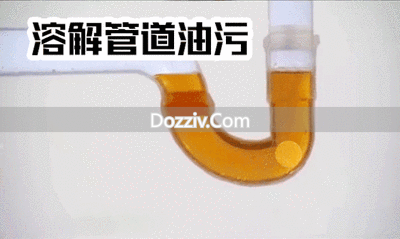
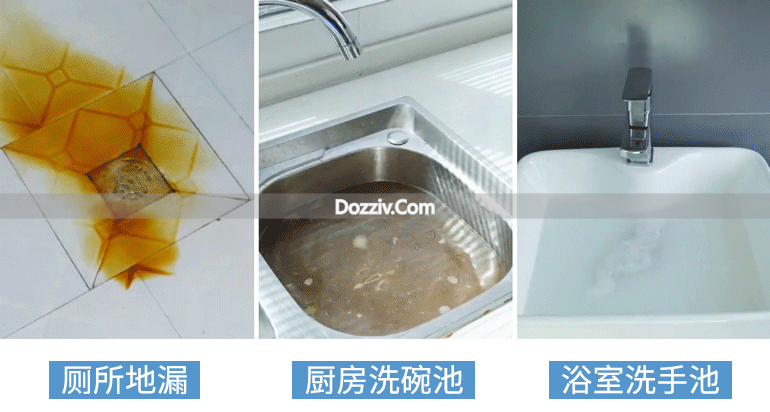
<strong>Details processing : For double-slot sinks, two drain outlets can be processed at the same time. If there is a peculiar smell at the sink overflow, you can also pour a small amount of dredging agent to clean it.
The third layer: physical dredging and odor removal – pipe cleaning mousse
For those situations where it can inhibit bacteria and remove odors after unclogging, or as the last "fresh feeling" process before the holidays, pipe cleaning mousse is an excellent choice. The operation process is to press directly towards the drain outlet, and the dense, foamy mousse will quickly expand, filling the entire pipe. It can not only decompose the remaining fine dirt that has not been removed, but the herbal extracts it contains can also form a protective film structure on the pipe wall, inhibiting bacterial growth for a long time, and emitting a burst of fragrance. After the pressing operation is completed, let it sit for a while, and then proceed directly to the flushing operation.
Pitfall avoidance guide and effect comparison
Guide to avoid pitfalls:
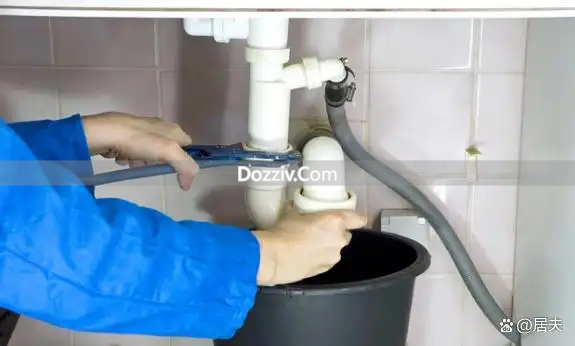
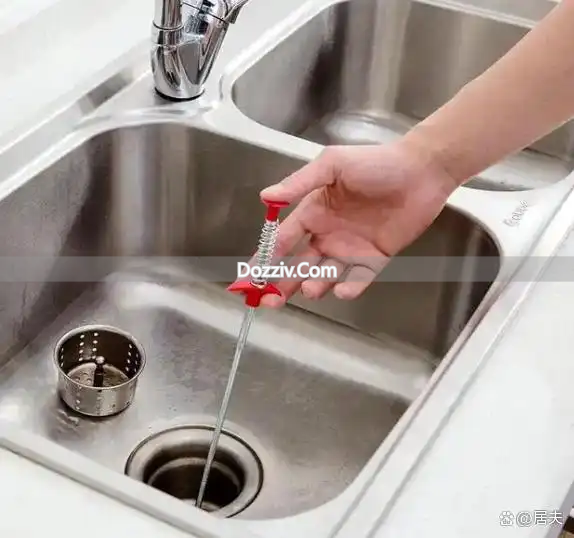
1. Be careful when using wire hooks : Many people like to use wire or spring dredges to remove hair. However, for kitchen grease, this method can easily damage the pipe, and it only solves the superficial problem but cannot fundamentally solve the problem. It cannot remove the grease attached to the pipe wall.
1. Taboos on mixing chemical agents : Keep in mind that you must not mix different types of dredging agents, such as acidic and alkaline ones. At the same time, you must not use "dish soap + white vinegar" and strong dredging agents at the same time. Otherwise, a violent chemical reaction may occur, which may damage the pipes or produce harmful gases.
Effect comparison:
| method | Timeliness | thoroughness | security | Applicable scenarios |
|---|---|---|---|---|
| traditional hot water | immediate | Difference | medium | Almost ineffective, can only wash away the surface oil film |
| Physics tool | immediate | Difference | high | Superficial, sudden minor blockage |
| Wire/spring dredge | fast | medium | Low | Physical hard block blocks, but easily damages the tube and does not remove oil. |
| pipe unblocker | Need to rest | thorough | high | Deep, stubborn blockage, dissolve grease and hair, remove odor |
To summarize the challenges faced by kitchen sewers during the Spring Festival, we should not still rely on the old method of "hot water flushing" that is both ineffective and dangerous. You can use scientific diagnostic methods to select appropriate professional tools, follow the correct operating procedures, and pay attention to the details that are prone to problems. In this way, by relying on your own hands-on operations, you can keep the sewers in your home in the ideal state of being clear, clean, and odor-free, so that you can usher in a refreshing and comfortable reunion time with peace of mind.