Know All About The Causes, Prevention And Clearing Methods Of Oil Clogged Kitchen Sewers

In household cleaning, clogged kitchen drains are one of the most troublesome problems. As a senior home economist with more than ten years of experience, I have witnessed too many "flooding" situations caused by grease "concrete" and food residues. Just today, I will analyze for you a complete set of solutions from prevention to treatment from the practical perspective of deep cleaning.
Scene restoration: The "Grease Fortress" hidden deep in the pipeline
Try to imagine such an ordinary scene. After dinner, the greasy pot water and rice grains are washed into the sink. At first, the water flowed smoothly, but after a few weeks, the water began to swirl, and then there was a muffled sound like "gurgling". At this time, the inner wall of the pipe was already covered with that particularly sticky grease that was like glue. The grease wrapped every grain of rice and every vegetable leaf like glue. Over time, this mixture accumulates in the bends of the pipes, forming a hard fortress-like "grease fortress" that eventually completely seals the drainage channel. This is a typical chemical reaction called "grease saponification reaction" – in this reaction, grease combines with the alkaline substances that are indispensable components of detergents, and eventually evolves into a lumpy object with a certain hardness similar to the common soap in daily life!
Tool Selection: Professional-Grade Dredging Equipment Checklist

When faced with a jam, choosing the right tool is half the battle. Don’t just rely on a single spatula. A complete deep cleaning tool kit should include the following tools:
1. Hand-operated spring drain opener (dredge snake) : Compared with a leather spatula, it can penetrate deep into the U-shaped drain trap and break stubborn blockages through physical effects. It is recommended to choose a model with a diameter of 9mm and a length of 5 to 7 meters, which can fully cope with the main pipes of the home.
Pipe endoscope is the key to modern precise dredging. It is a camera that costs several hundred yuan and is connected to a mobile phone. It can help you see the specific location of the blockage point and the material of the blockage point, thereby avoiding blind operations.
3. There is a machine called a high-temperature and high-pressure steam cleaner , which is designed to deal with the problem of grease accumulation and is the ultimate weapon. It can melt the grease directly inside the pipe with the help of high-temperature steam exceeding 140°C, and then wash away the grease.
4. A hand-operated drill bit used for anti-corrosion . It has a spiral head for different blockages. The spiral head can pick up cloth strips and hair, and there is also a spade-shaped head. The spade-shaped head is used to break hard objects. The two are different.
Operational process: four-step deep cleaning method
The first step is to make an accurate diagnosis, then open the cabinet door of the sink and check whether there is a cleaning port at the bottom of the drain trap that can be disassembled. If water leaks out of the overflow port of the sink, generally speaking, the blockage is near the trap. However, if the floor drain is backing up, it may be at a deeper horizontal branch pipe.
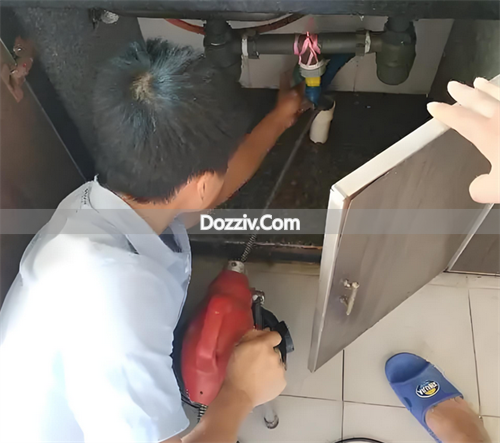
Step 2: Carry out physical crushing, remove the drain cleaning opening, or slowly screw in the hand-cranked spring channel opener from the sink drain outlet bit by bit, extremely slowly and wobblingly. When encountering resistance, shake the handle clockwise and push forward forcefully to prompt the spring head to penetrate into the blockage. Repeat this several times until you feel that the resistance is gone.
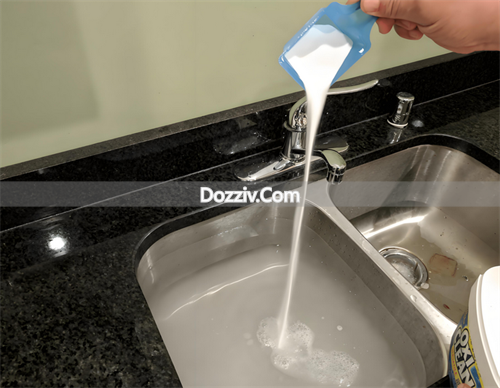
The third step is to carry out chemical decomposition and physical dredging. If there is still a large amount of grease attached to the pipe, at this time, pour in a foaming dredging agent prepared from baking soda and industrial-grade citric acid (which has an effect better than that of edible vinegar). Then rush it in with hot water and use the carbon dioxide bubbles generated by the violent reaction to peel off the old dirt on the pipe wall.
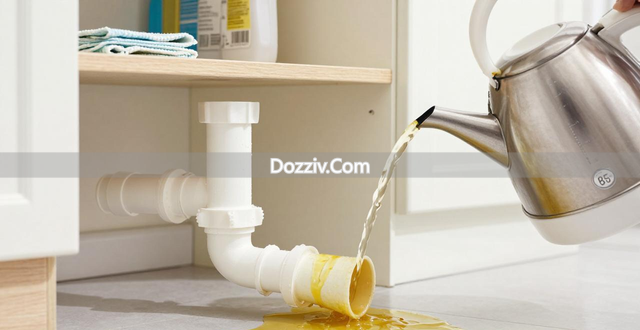
Step 4: Perform high temperature rinse. Later, either use a high-temperature steam engine or choose a pot of hot boiling water (note: if it is a PVC pipe, the water temperature should not exceed 90°C) to completely flush the pipe and flush all the dissolved grease residue into the main sewer.
Handling details: those corners that only home economics experts know about
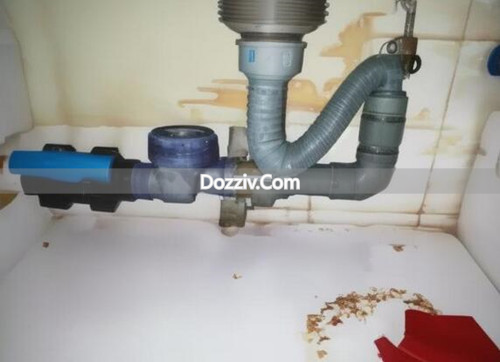
Remove the U-shaped drain trap. There is often a thick layer of black sludge inside. Deep cleaning is not just about draining, but also about "washing" it. It's normal for bacteria to grow. Don't be too dirty, because this is a breeding ground for bacteria. Dip a long-handled brush into a strong degreaser and scrub the removed elbow thoroughly. Pay special attention to the dead corners at the bottom of the elbow and the mold spots on the rubber gasket.
Note: Don’t let “unblocking” turn into “destroying”
Be careful when using chemical powder dredgers, especially aluminum powder that will produce high-temperature strong corrosives when exposed to water. For severely aged cast iron pipes, high temperatures can cause the pipes to burst. For PVC pipes, high temperatures may cause the pipe body to soften and deform. If you are not sure about the material, you would rather choose physical unblocking.
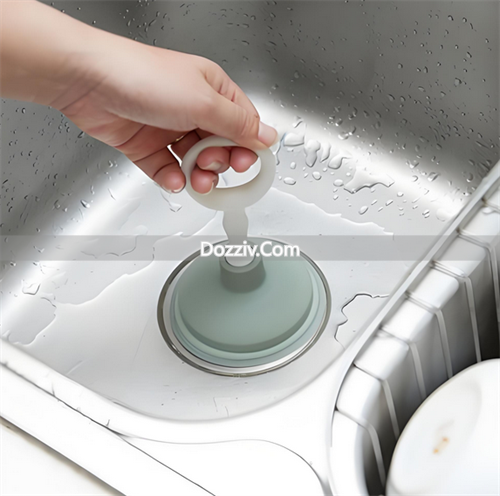
2. Misunderstanding in using the rubber pusher : Make sure that the blocked area is completely submerged by water. The rubber bowl outside the leather pusher must completely cover the drainage opening, and no gaps can be left. For double-bowl sinks, the other drain hole and the overflow hole must be blocked, otherwise all the pressure will flow away from there.
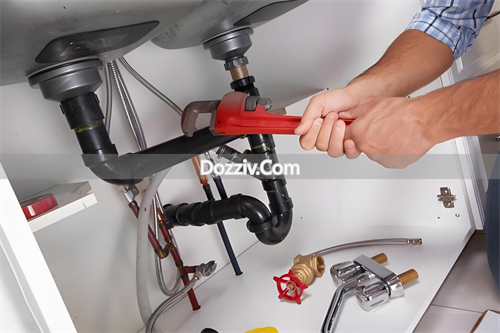
3. Regarding the risks associated with the spring dredge machine : violent force is absolutely not allowed during operation. Rather, during the process of advancing at the bend of the pipeline, if it is pushed forward forcefully, there will be a problem that may cause the pipe wall to be punctured, especially for old cast iron pipes, which are naturally very fragile to rust due to their own properties.
Guide to avoid pitfalls: These "common senses" are actually harmful
Many families have the habit of using hot water to wash away oil stains. However, if there is solidified animal fat in the cold water pipe, pouring hot water suddenly is effective. But if the blockage is classified as starchy (like rice or noodles that become gelatin), hot water will actually make it more sticky, making the situation worse. A more common misconception is to regard the food waste shredder as a universal bucket. The crushed peels and coffee grounds just turn into finer particles. When the two are mixed with oil, they are more difficult to clean than large pieces of garbage. They will be deposited downstream, forming a troublesome situation like "fine sand concrete".
Effect comparison: before and after dredging and maintenance miracles
For pipes that have not been deeply cleaned, even if they are temporarily smooth, the water flow is still relatively slow and there is an odor. We once provided services to a client who had been blocked for half a year. Before the blockage was cleared, an endoscope showed that only 10% of the water-passing section of the pipe was left. After the above four steps, the inner wall of the pipe returns to the original white color of PVC, and the water flows down like a waterfall. After a follow-up visit a week later, the customer reported that the odor in the kitchen had disappeared and the sink drained faster than when it was newly renovated. It is important to point out that we use deep cleaning to remove biofilm that is conducive to bacterial reproduction and growth, and this is precisely the key to maintaining an unobstructed state for a long time.
The maintenance of the kitchen sewer is a long-term battle. Rather than waiting for a clog and then spending a lot of money to clear it, it is better to develop the habit of regular deep cleaning. By performing high-temperature steam flushing once a month, coupled with the regular use of bio-enzyme cleaners, your home's drainage system will remain "young" all year round, making cleaning after each cooking session easy and worry-free.