What To Do If The Kitchen Drain Is Clogged? Collect These Clearing Methods Quickly
The most oil-stricken area in the kitchen: the truth about clogged sewers and the practice of deep cleaning
The kitchen, where the heart of the family is, carries the smoke and smoke of frying and frying all day long. However, what flows into the sewer along with the delicious food is often the sticky grease and fine food residue. When the speed of water flow becomes slower and slower day by day, or even reaches a complete stagnation, this indicates that a silent "traffic paralysis" is taking place inside the pipeline. As a senior housekeeper with more than ten years of experience, I have stepped into the kitchens of thousands of families. Today I will restore to you a complete set of practical procedures for deep cleaning and unclogging of kitchen sewers.
Tool Selection: Say goodbye to brute force, using the right tools is the key
When faced with a blockage, many people's first reaction is to find wires and poke them haphazardly. Doing so often causes foreign objects to become jammed deeper and deeper. Since the causes of blockage are different, we have to accurately select the appropriate equipment.
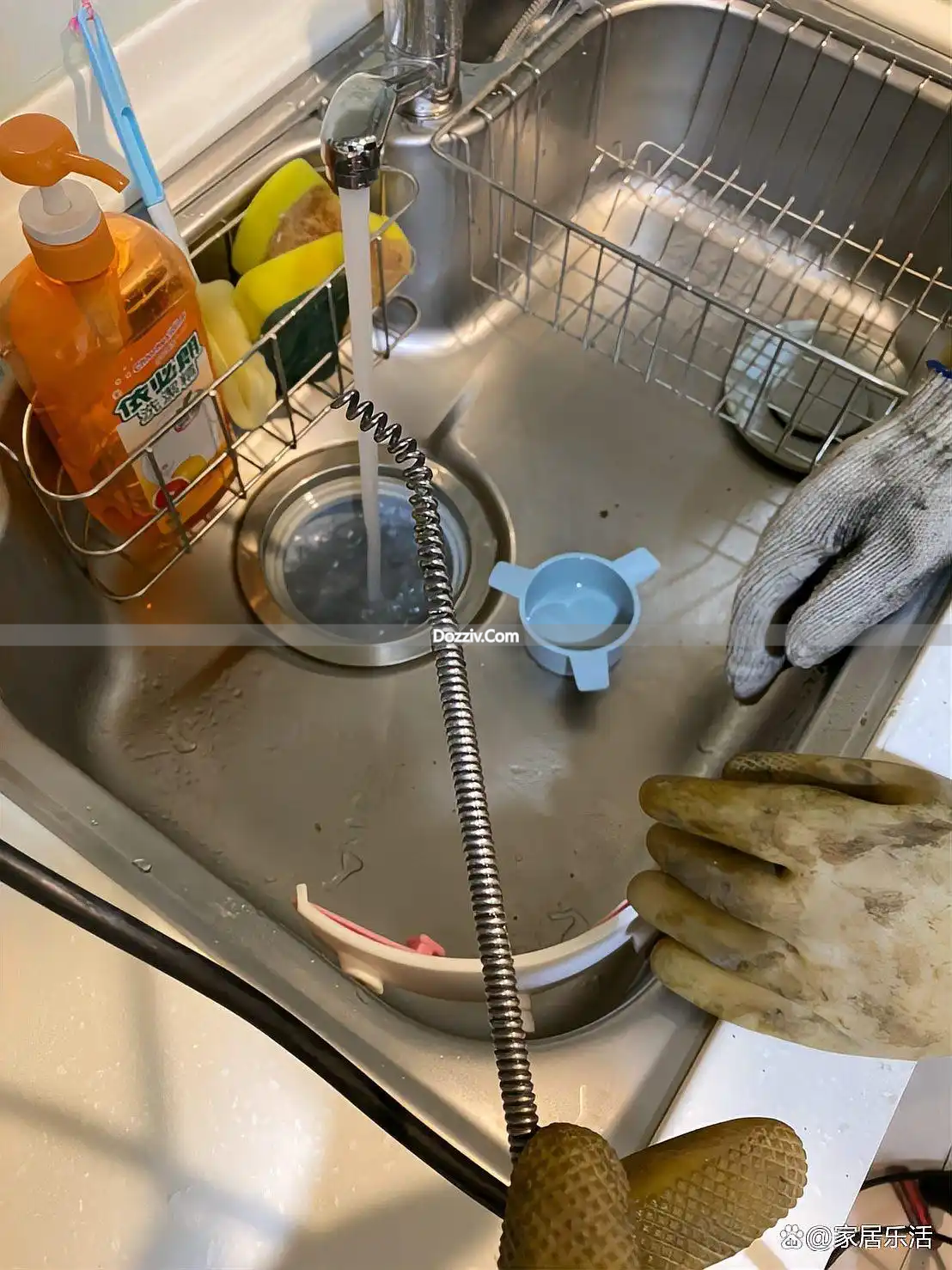
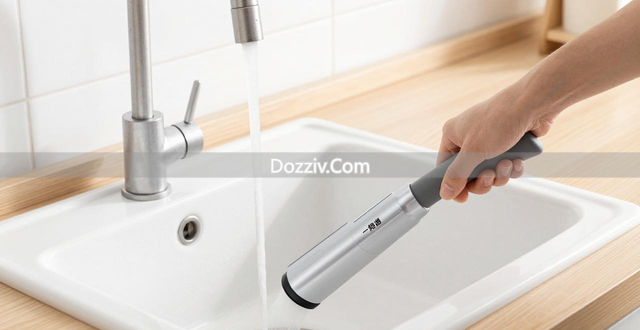
For hard blockages such as bones and fruit cores, the first choice is a hand-operated pipe dredge commonly known as a "flexible shaft", whose spiral head can easily drill in and hook foreign objects. For the situation where oil stains are hardened, the effect of relying solely on physical dredging is limited. It needs to be paired with a biological enzyme pipe cleaner, which can effectively decompose grease and will not cause corrosion to PVC pipes. When faced with a stubborn blockage caused by installation errors, the "one-shot gun" (that is, a manual pipe clearing gun) uses high-pressure gas to break open the obstruction in an instant.
Scenario practice: three-step deep cleaning process
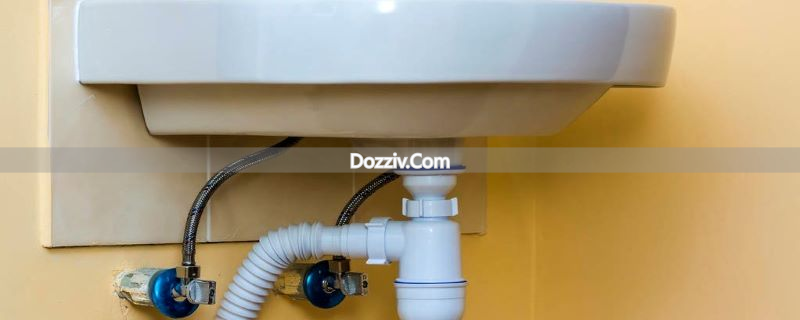
First: Carry out preliminary investigation and physical cleaning operations. Put on your gloves and remove the U-shaped pipe under the sink. In this step, it is often possible to directly take out hard objects such as chopsticks and bottle caps that have fallen in. When using a hand-operated dredge, slowly extend the flexible shaft into the horizontal pipe or vertical pipe. Once resistance is encountered, push forward while rocking the handle in a clockwise direction until you feel that the foreign object is being dragged out or crushed.
Step 2: Carry out chemical decomposition and high-temperature washing. After physical dredging is completed, a thick oil film still adheres to the inner wall of the pipeline. Don't rush to pour boiling water at this time, because sudden cooling and sudden heating can easily cause the pipes to deform. It is recommended that after resetting the trap, pour 200 grams through the drain outlet. Biological enzyme cleaner , and then slowly inject hot water of about 60°C. Then let it sit for 2 to 4 hours (preferably overnight) to allow the enzymes to fully break down the fat molecules. This method can restore the smoothness of the inner wall of the pipe and prevent oil stains from hanging on the wall again.

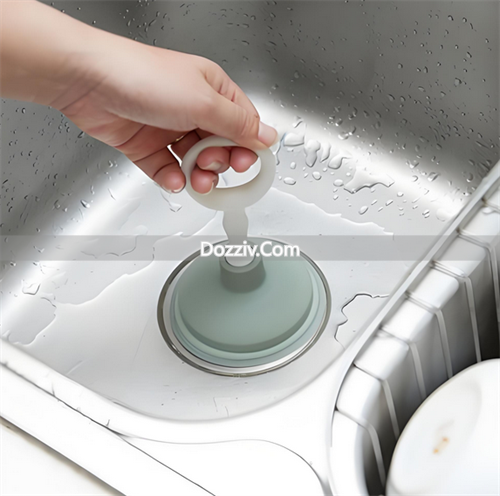
Step 3: Carry out high-pressure air flushing and finishing inspection. If the water flow is still not smooth, there may be a blockage at the far end. Will "One shot" Aim at the drainage opening, use the lever principle to generate high-pressure airflow, and use physical momentum to open up the blocked area. Finally, open the faucet, fill a tank with water, and then empty it quickly to see if the water flow forms a vortex and flows away quickly.
Guide to handling details and avoiding pitfalls: Don’t step on these pitfalls
Many novice housekeepers or owners are most likely to make two mistakes when dealing with household chores.
The first misunderstanding lies in the misuse of chemical powder dredgers. These highly alkaline products will generate high temperatures once they come into contact with water. If there is accumulated water in the pipe, pour it directly. The high temperature may instantly melt the glue joints of the PVC pipes, causing water leakage. It is recommended to give priority to mild biological enzyme preparations. Although their effects are relatively slow, their impact on pipes and the environment is relatively small.
The second misunderstanding is that the sealing of the overflow port is ignored. When using the "one shot to clear" or water pressure method for dredging, if the overflow hole of the sink is not blocked, the high pressure will leak directly through the overflow hole, causing the dredging operation to fail. Before operating, be sure to firmly plug the overflow with a damp rag.
Effect comparison: from "drip and slow discharge" to "smooth flow as before"
During a recent deep cleaning service carried out in a high-end residential complex, customers reported that the water under the sink was "like crying, one drop after another". When the drain was dismantled, the inside was almost completely filled with white grease and exuded a foul odor. We have not directly used violent methods to open them. Instead, we first carried out solid removal and then used For high pressure steam cleaning machines ,as well as Environmentally friendly cleaner The two work together to spray the inside of the pipe. Half an hour later, the pipe that was originally only able to seep water began to drain out extremely quickly, even producing a siphoning sound, and the drainage volume was smoother than when it was newly installed. The customer lamented: “The original smell of the kitchen also disappeared from here.”
Routine Maintenance: Establish “Plumbing Health” Habits
If you want to prevent frequent deep excavation, daily prevention is more important than dredging. It is recommended to place a high-density filter at the sink drain outlet to intercept those small residues. Before going to bed every week, you can pour a small spoonful of baking soda into the drain outlet, then pour white vinegar on it, and use the foaming reaction to loosen the oil film on the shallow layer of the pipe wall. Carry out in-depth maintenance work once a month and use a pipeline maintenance agent. In addition, do not pour the waste oil generated from cooking directly into the sink. It can be mixed with oil-absorbing paper or discarded bottles and cans. These small habits can keep your kitchen pipes young all year round, and keep the focus of family life on comfort and cleanliness.